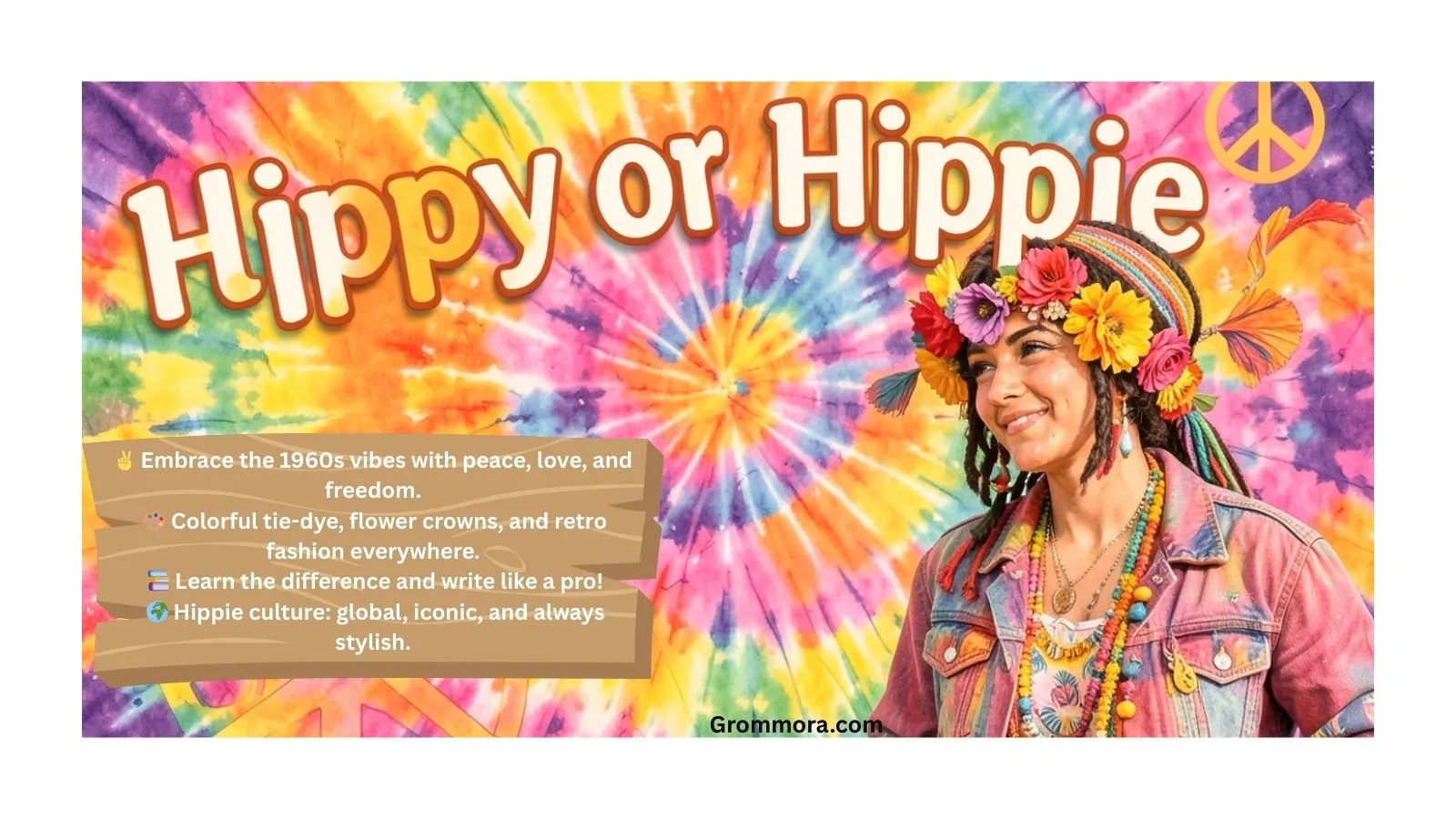
Many people wonder how to spell “hippy” or “hippie” when discussing the counterculture movement of the 1960s. This confusion is common because both versions appear online, in books, and even in newspapers. People search for this keyword to understand the correct spelling, its origin, and which form to use in different contexts. Whether you’re writing an essay, posting on social media, or editing content for global readers, knowing the right spelling helps maintain professionalism and accuracy.
In this article, we’ll break down the quick answer, the history behind the word, differences in British and American English, common mistakes, and even real-life usage examples. By the end, you’ll confidently know when to use “hippy” or “hippie”, saving you from awkward errors and confusion.
Hippie Culture
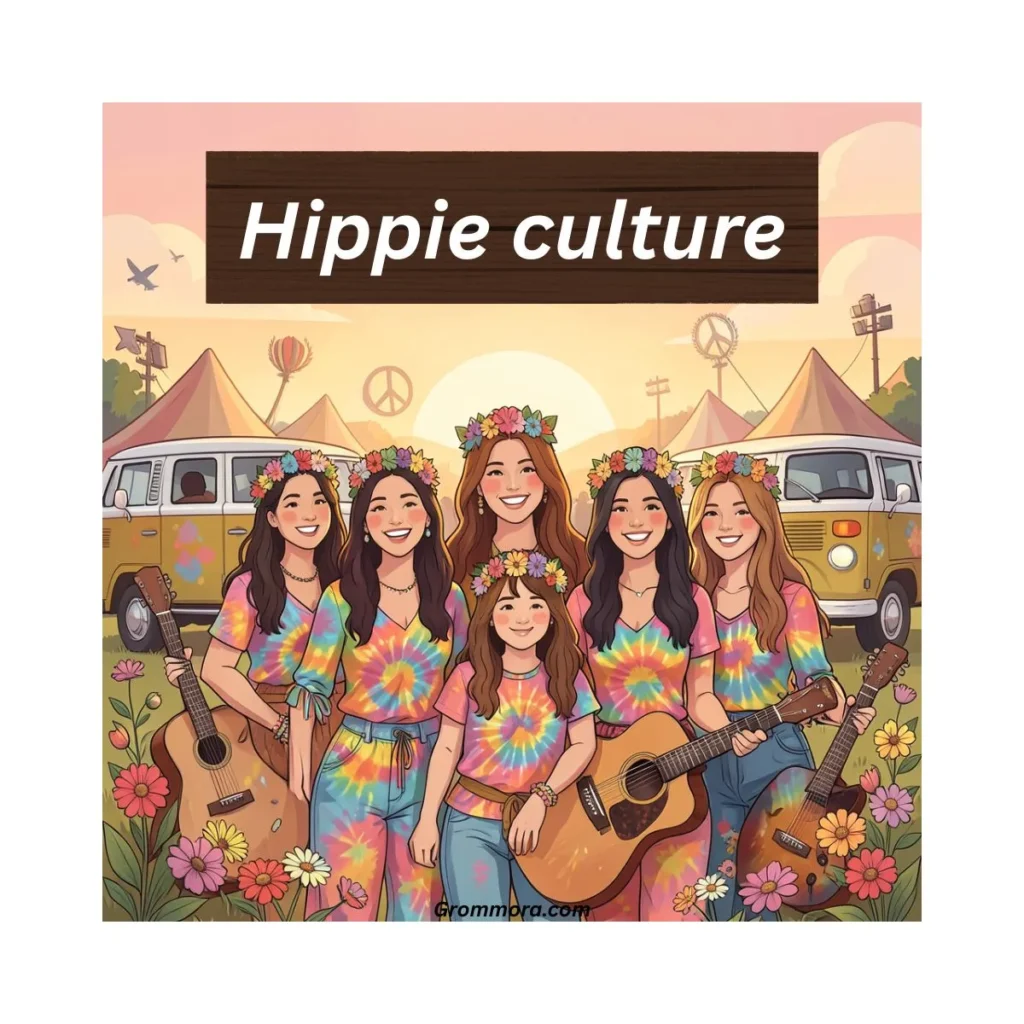
Hippie culture emerged in the 1960s as a youth-driven movement challenging mainstream society. It focused on peace, love, freedom, and harmony with nature, often rejecting materialism and conventional lifestyles. Hippies embraced vibrant clothing, long hair, and symbols like flowers to express individuality and anti-establishment values. Music, especially rock, folk, and psychedelic genres, played a central role, with iconic festivals like Woodstock becoming cultural landmarks. Beyond fashion and music, hippie culture promoted social activism, environmental awareness, and communal living. Its influence extended to art, literature, and lifestyle choices, encouraging mindfulness and alternative spiritual practices. Today, hippie culture continues to inspire modern fashion, music festivals, and sustainable living movements. Understanding this culture helps explain why the term “hippie” remains relevant and widely used in global conversations.
Hippy or Hippie – Quick Answer
The word is most correctly spelled “hippie” in modern English. This spelling is widely accepted in dictionaries, academic texts, and media.
- Example 1: The hippie movement of the 1960s promoted peace and love.
- Example 2: She adopted a hippie style with colorful clothes and flower crowns.
“Hippy” is an alternative British spelling but is less common and sometimes considered informal.
The Origin of Hippy or Hippie
The term comes from the word “hip,” meaning aware or cool, popular in the 1940s and 1950s. Early counterculture members in the 1960s were called “hippies” because they were “hip” to new social ideas.
- Hippie: Standard spelling in dictionaries like Oxford and Merriam-Webster.
- Hippy: Variant spelling mainly used in British English, especially in casual contexts.
The spelling difference exists because of regional preferences and evolving language trends.
British English vs American English Spelling
In American English, “hippie” is standard. In British English, people use both “hippie” and “hippy,” though they increasingly prefer “hippie.”
| Region | Preferred Spelling | Notes |
|---|---|---|
| United States | hippie | Universal usage in formal writing |
| United Kingdom | hippie/hippy | “Hippy” still appears in informal British texts |
| Commonwealth | hippie | Generally follows UK trends |
Which Spelling Should You Use?
- US Audience: Always use “hippie”.
- UK & Commonwealth Audience: “Hippie” is safest; “hippy” is acceptable for informal writing.
- Global/Online Content: Stick with “hippie” for consistency and SEO benefits.
Common Mistakes with Hippy or Hippie
- Writing “hipi” – ❌ Incorrect → ✅ Correct: hippie
- Confusing “hippy” with “happy” – ❌ Incorrect → ✅ Correct: hippy style
- Mixing US and UK rules inconsistently – ❌ Keep your audience in mind
Hippy or Hippie in Everyday Examples
- Email: Our office party theme is 60s hippie attire.
- News Article: The festival celebrates hippie culture through music and art.
- Social Media Post: Feeling the hippie vibes today! ✌️
- Formal Writing: Hippie movements challenged mainstream societal norms in the 1960s.
Hippy or Hippie – Google Trends & Usage Data
Google Trends shows “hippie” dominates searches globally, particularly in the US, UK, Canada, and Australia. “Hippy” sees minor spikes in the UK and informal searches, but overall usage is lower. People search this keyword mostly for cultural, fashion, or historical content.
Comparison Table: Keyword Variations
| Variation | Region | Context | Popularity |
|---|---|---|---|
| hippie | US/Global | Formal, academic, online | High |
| hippy | UK | Informal, casual | Low |
| hipi | None | ❌ Incorrect | Very Low |
FAQs About Hippy or Hippie
- Is it spelled hippie or hippy?
- The correct and most common spelling is hippie; hippy is a less common British variant.
- What is a hippy?
- A hippy (or hippie) is a person who supports peace, freedom, simple living, and non-traditional lifestyles.
- What is hippie slang for?
- “Hippie” is slang for someone who rejects mainstream values and embraces peace, love, and creativity.
- What are hippies called today?
- Today, hippies are often called bohemians, free spirits, or counterculture creatives.
- What makes a girl a hippie?
- A girl is considered a hippie if she values peace, self-expression, nature, and wears boho or relaxed fashion.
- Is 60s hippie or 70’s?
- Hippie culture began in the 1960s and continued into the early 1970s.
- What makes a person a hippy?
- A person becomes a hippie by choosing a lifestyle centered on peace, freedom, and rejection of materialism.
- Were the Beatles hippies?
- The Beatles were not full hippies but strongly influenced and popularized hippie culture in the late 1960s.
- What generation is hippy?
- Hippies are mainly linked to the Baby Boomer generation.
Conclusion
When deciding between “hippy or hippie”, the modern, globally accepted choice is “hippie”. Use “hippy” only for informal British writing or nostalgic references. Always consider your audience: American readers expect “hippie”, while UK readers may tolerate “hippy”. By choosing the right spelling, you ensure clarity, professionalism, and better readability in emails, articles, and social media posts.
The origin of the word ties back to the 1960s counterculture, and remembering its roots can make usage easier. For online content, SEO, and global communication, hippie is the safest choice.
