Have you ever paused while writing and wondered: should I write grey or gray? You’re not alone. As a result, this is one of the most searched spelling questions in English. The confusion happens because both spellings are correct, yet they are used in different parts of the world.
People search for “grey or gray” because they want a quick answer without sounding wrong in emails, blogs, exams, or professional writing. Because of this, your writing may appear American, British, or even inconsistent with just one letter. That’s why, in practice, clarity, branding, and SEO all depend on that tiny distinction.
This article solves that confusion once and for all. To begin with, you’ll learn why two spellings exist. Then, you’ll discover how British and American English treat them differently. As a result, choosing the correct spelling becomes easy. Finally, you’ll know which one to use based on your audience. We’ll also cover common mistakes, real-life examples, and usage trends across countries.
If you want a fast answer, clear rules, and confident writing—this guide has you covered.
Grey or Gray – UK
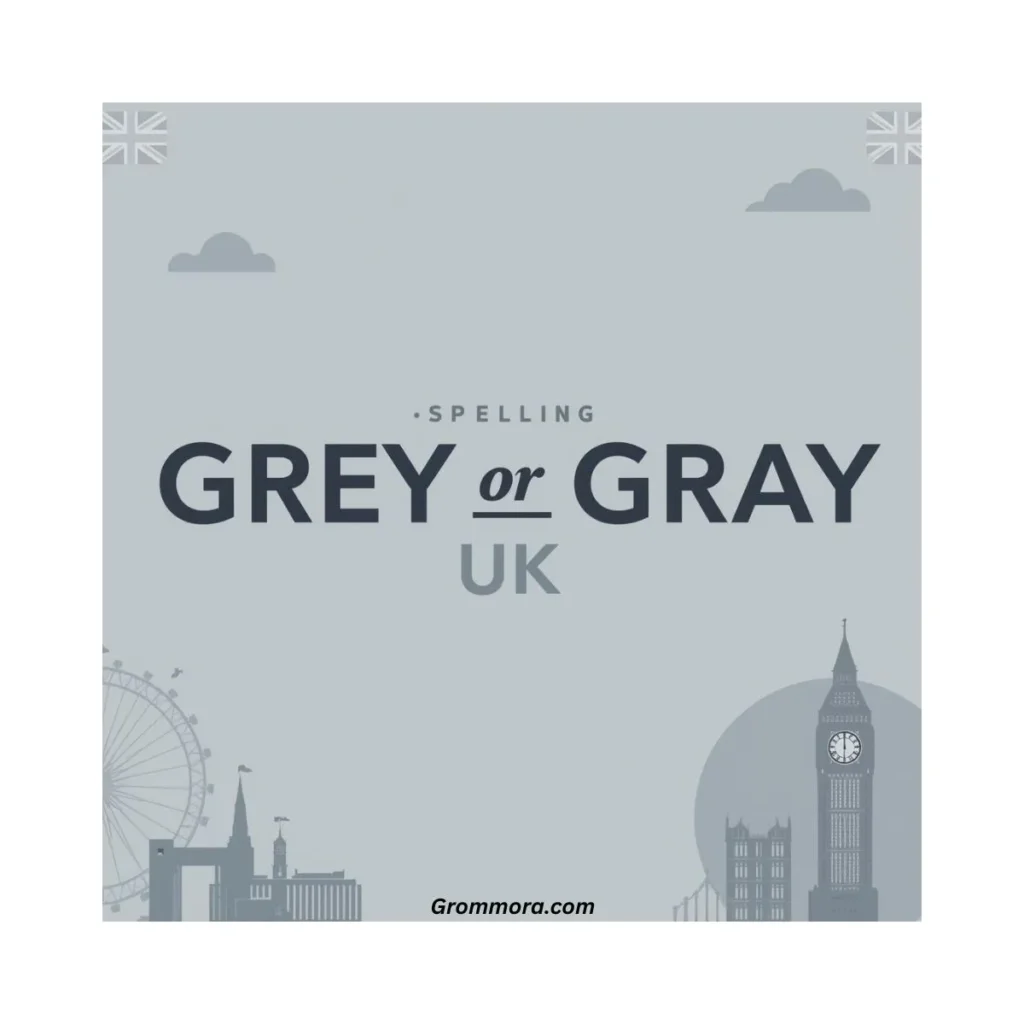
When it comes to British English, “grey” is the preferred spelling. Unlike American English, which favors “gray,” the UK, along with Commonwealth countries like Canada, Australia, and New Zealand, consistently uses “grey” in everyday writing. Therefore, if your audience is primarily British, choosing “grey” will make your text appear correct and professional. Additionally, this spelling is standard in British dictionaries such as Oxford and Cambridge. It is also worth noting that in formal UK publications, academic papers, and news articles, “grey” is overwhelmingly used. Consequently, using “gray” in a UK context may confuse readers or appear as an Americanism. In summary, to maintain clarity and proper regional style, always opt for “grey” when writing for a UK audience, and stay consistent throughout your content.
Grey or Gray – Quick Answer
Both “grey” and “gray” are correct.
The difference depends on where your audience is from.
- Gray → American English (USA)
- Grey → British English (UK, Canada, Australia)
Examples:
- 🇺🇸 The sky looks gray today.
- 🇬🇧 The sky looks grey today.
Meaning stays the same. Only spelling changes.
The Origin of Grey or Gray
The word comes from Old English “grǣg”, meaning a neutral color between black and white. Over time, spelling was not fixed. Different regions adopted different styles.
When English spread globally, spelling began to standardize:
- Noah Webster promoted “gray” in American English.
- British dictionaries kept “grey.”
That’s why both versions still exist today.
British English vs American English Spelling
British and American English follow different spelling patterns.
Key Differences
| Feature | British English | American English |
|---|---|---|
| Preferred spelling | Grey | Gray |
| Used in | UK, Canada, Australia | USA |
| Dictionaries | Oxford, Cambridge | Merriam-Webster |
| Meaning | Same | Same |
Rule to remember:
A = America → grAy
E = England → grEy
Which Spelling Should You Use?
It depends on your audience.
- US audience → Use gray
- UK or Commonwealth audience → Use grey
- Global or mixed audience → Choose one and stay consistent
- SEO writing → Use both naturally where relevant
Consistency matters more than the spelling itself.
Common Mistakes with Grey or Gray
Here are frequent errors and fixes:
❌ Mixing both spellings in one article
✅ Pick one spelling and stay consistent
wrong. Thinking one is incorrect
✅ Both are correct
❌ Changing spelling based on meaning
✅ Meaning never changes
❌ Using one spelling in a brand name and another in content
✅ Match brand style
Grey or Gray in Everyday Examples
Emails:
- Please review the gray background color. (US)
- The logo looks better in grey. (UK)
News:
- Gray clouds covered the city.
- The grey economy is growing.
Social Media:
- Love this grey outfit!
- Gray vibes today 🩶
Formal Writing:
- A grey area in the law exists.
- The device comes in three gray shades.
Grey or Gray – Google Trends & Usage Data
Search trends show clear regional patterns:
- Gray is most searched in the United States
- Grey dominates in the UK, Canada, Australia
- Both terms are searched globally for:
- Writing help
- SEO content
- Academic work
This proves users want clarity, not debate.
Grey vs Gray – Comparison Table
| Aspect | Grey | Gray |
|---|---|---|
| Correct spelling | Yes | Yes |
| Region | UK / Commonwealth | USA |
| Meaning | Same | Same |
| SEO value | High | High |
| Best for | British audience | American audience |
FAQs About Grey or Gray
1. Which is correct gray or grey?
Both are correct; gray is American English, grey is British English.
2.Is Crayola gray or grey?
Crayola uses gray (American English).
3.Is it gray or grey in the UK?
In the UK, the correct spelling is grey.
4.Is my hair grey or gray?
Depends on your audience: grey (UK), gray (US).
5.What is white hair called?
White hair is commonly called grey hair or simply white hair.
6.What is the correct way to say “gray”?
Pronounced the same: /ɡreɪ/; spelling depends on region.
7.Is it grey sky or gray sky?
Grey sky in UK, gray sky in US.
8.Why are there two different spellings for grey?
Historical spelling differences and regional standardization caused gray (US) and grey (UK).
9.What is the old word for grey?
Old English word: grǣg.
Conclusion
Ultimately, the grey or gray debate is not about right or wrong—rather, it’s about audience and consistency.Both spellings describe the same color and idea. This difference mainly comes from history, along with regional spelling rules and established writing standards.
If you write for an American audience, gray feels natural and expected. If your readers are in the UK or Commonwealth countries, grey is the better choice. Therefore, for global writing, the safest approach is to consistently pick one spelling and stick with it throughout your content.”
From emails and social posts to SEO articles and formal documents, overall, clarity builds trust. As a result, understanding this small spelling difference helps your writing look polished and professional.
Now that you know the rule, you’ll never hesitate again when choosing grey or gray.
