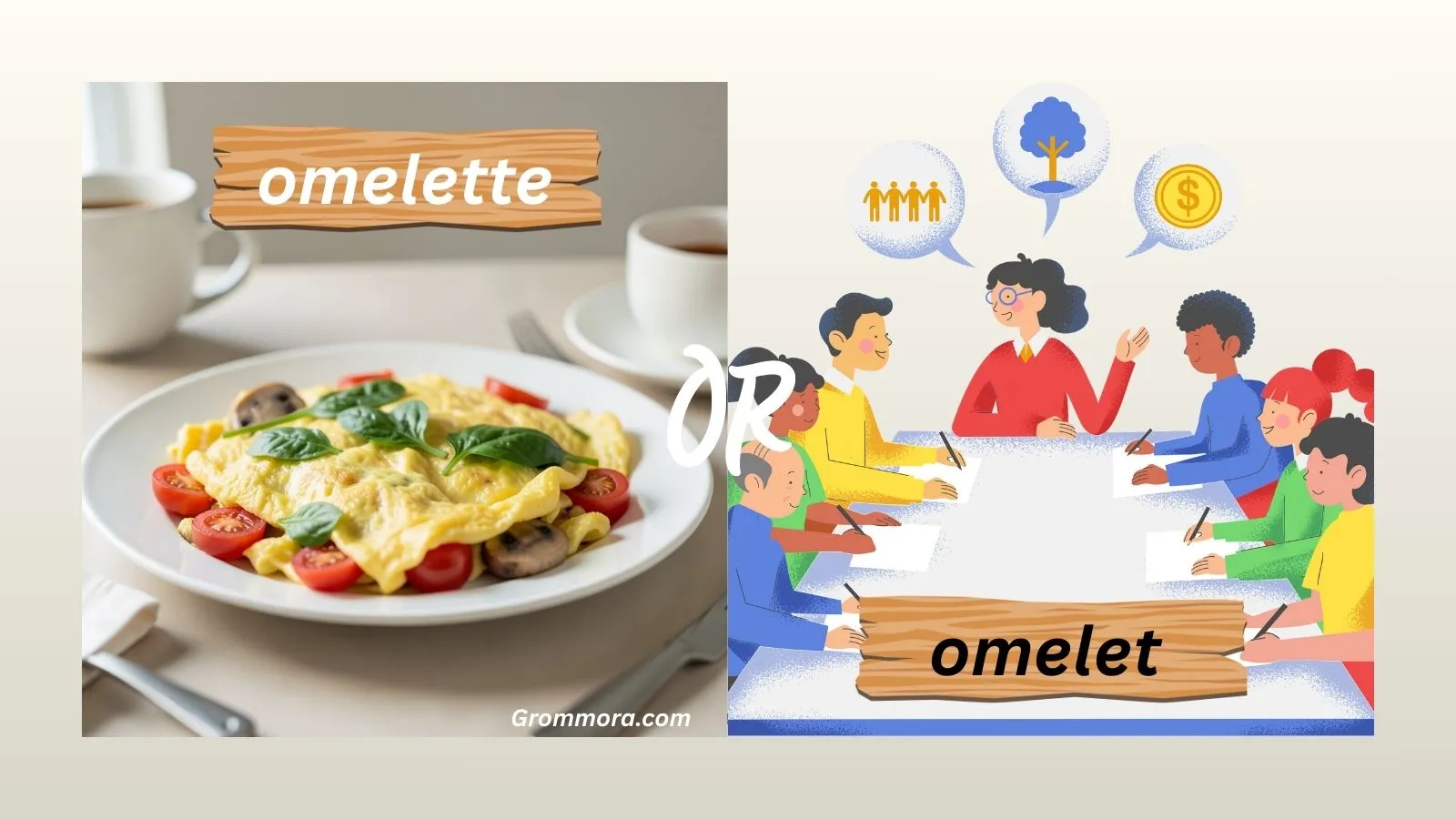
Have you ever paused while writing a recipe, menu, or email and wondered: is it omelet or omelette? You’re not alone. This is one of the most searched spelling questions related to food. People search this keyword because both spellings look correct, sound the same, and appear in trusted sources. That creates confusion.
The problem is simple but important. Using the wrong spelling for your audience can make your writing look careless, especially in professional content like blogs, restaurant menus, school work, or SEO articles. For food writers, chefs, and students, this small detail matters.
This article clears the confusion once and for all. You’ll get a quick answer, the history behind both spellings, and clear advice on which one to use. We’ll also look at real-life examples, common mistakes, Google Trends usage, and FAQs. By the end, you’ll confidently know when to use omelet and when to use omelette—without guessing.
Omelet or Omelette for Breakfast
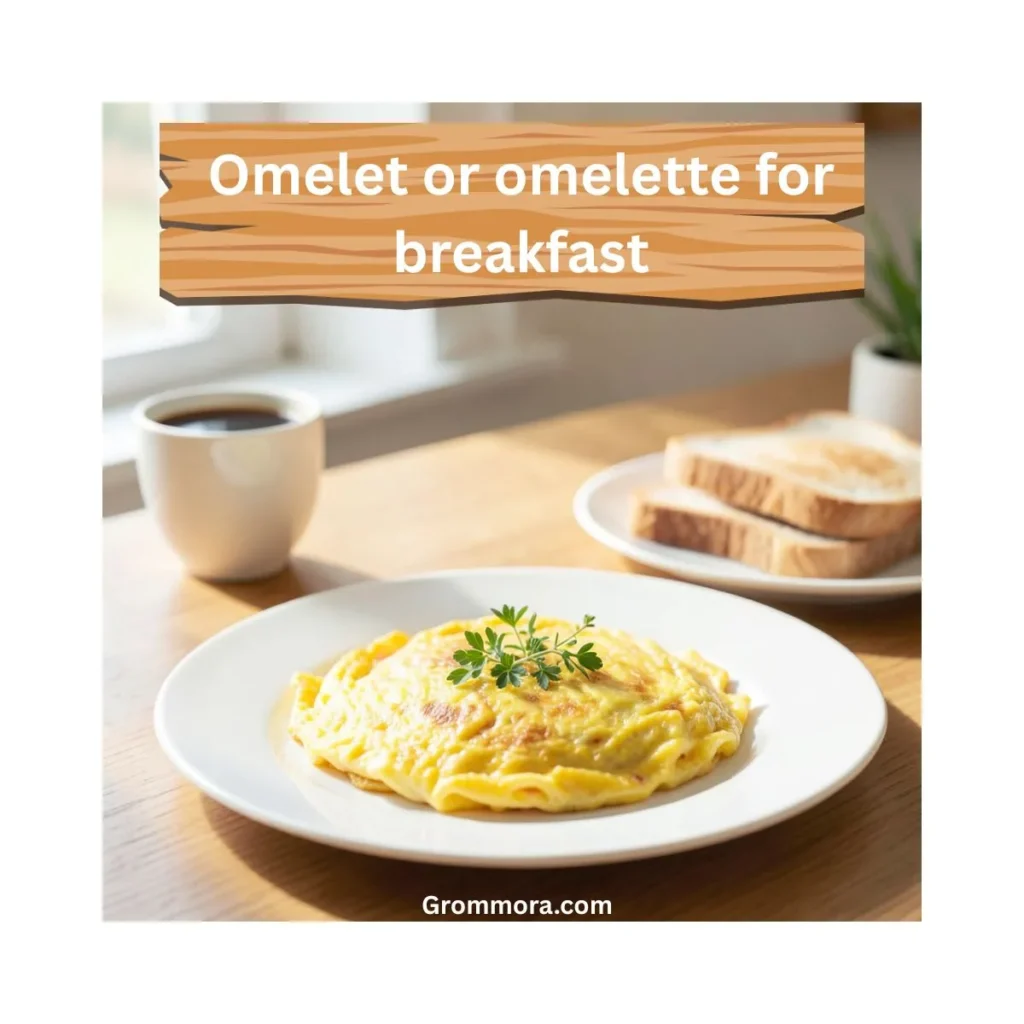
Whether you write omelet or omelette for breakfast, both spellings are correct and describe the same tasty meal. The choice depends on your audience and writing style. In American English, people usually say omelet for breakfast, especially in menus, blogs, and casual writing. In British English and many other countries, omelette for breakfast is the preferred spelling and looks more natural to readers there. This phrase is common because breakfast is the most popular time to eat this dish. Eggs are quick to cook, filling, and easy to customize with cheese, vegetables, or meat. That’s why many people search this phrase when writing menus, social posts, or diet plans. Just remember to stay consistent with your spelling to keep your writing clear and professional.
Omelet or Omelette – Quick Answer
Both spellings are correct.
- Omelet is American English.
- Omelette is British English.
Examples:
- US: I made a cheese omelet for breakfast.
- UK: She ordered a mushroom omelette.
The meaning is the same: eggs beaten and cooked in a pan.
The Origin of Omelet or Omelette
The word comes from French. The original spelling is omelette, taken from omelette in French cuisine. When English adopted the word, spelling changed based on region.
American English often removes extra letters to simplify words. That’s why omelette became omelet in the United States. British English kept the original French-style spelling.
So the difference exists because of language evolution, not meaning.
British English vs American English Spelling
Here’s how the spellings compare:
| Feature | Omelet (US) | Omelette (UK) |
|---|---|---|
| English Type | American English | British English |
| Extra Letters | Shorter | Longer |
| Used In | USA | UK, Canada, Australia |
| Meaning | Same | Same |
Both are correct. Only the audience matters.
Which Spelling Should You Use?
Use the spelling based on who you are writing for:
- US audience → Use omelet
- UK or Commonwealth → Use omelette
- Global audience → Either is fine, but stay consistent
- SEO content → Match user location and keyword intent
If you run a food blog or menu, consistency is more important than choice.
Common Mistakes with Omelet or Omelette
People often make these errors:
- ❌ Mixing spellings in one article
✔ Pick one and stick to it - ❌ Thinking one spelling is wrong
✔ Both are correct - ❌ Using US spelling for UK readers
✔ Match regional English - ❌ Adding extra letters like omlette
✔ Correct spellings only
Omelet or Omelette in Everyday Examples
Emails:
- Let’s have an omelet meeting over breakfast. (US)
News:
- The chef revealed a classic French omelette recipe. (UK)
Social Media:
- Sunday brunch = spinach omelet 😋
Formal Writing:
- The omelette is a staple in European cuisine.
Omelet or Omelette – Google Trends & Usage Data
Search data shows clear regional patterns:
- Omelet is most popular in the United States
- Omelette dominates in UK, Canada, Australia, and India
- Food blogs and recipes often rank better when spelling matches location
Google understands both spellings, but users click what looks familiar.
Keyword Variations Comparison Table
| Variation | Region | Correct |
|---|---|---|
| Omelet | USA | ✅ |
| Omelette | UK/Commonwealth | ✅ |
| Omlette | None | ❌ |
| Omelett | None | ❌ |
FAQs About Omelet or Omelette
1. Which one is correct, omelet or omelette?
Both are correct—omelet is American English, omelette is British English.
2.Is omelette suitable for breakfast?
Yes. It’s a popular, protein-rich breakfast that keeps you full and energized.
3.What do Americans call omelettes?
Americans usually call them omelets.
4.What is the healthiest omelette to eat?
A veggie omelette cooked with minimal oil and filled with vegetables like spinach and tomatoes.
5.What’s healthier, scrambled eggs or an omelette?
An omelette is often healthier because it usually needs less butter or cream.
6.What’s the unhealthiest way to eat eggs?
Deep-fried eggs or eggs cooked with lots of butter, oil, or processed meats.
7.What is the healthiest way to eat eggs in the morning?
Boiled or lightly cooked eggs with vegetables and whole grains.
8.How do Japanese people eat raw eggs without getting sick?
Eggs in Japan are tightly regulated, cleaned, and safe for raw consumption.
9.What does Dr. Gundry say about eggs?
He suggests eating eggs in moderation, especially choosing pasture-raised eggs.
Conclusion
The difference between omelet or omelette is not about right or wrong. It’s about region and audience. American English prefers shorter spellings, so omelet fits US writing. British and Commonwealth English stay closer to French, so omelette is standard there.
Understanding this helps you write better recipes, articles, menus, and SEO content. It also builds trust with readers. When your spelling matches their expectations, your writing feels natural and professional.
The key rule is simple: choose one spelling and stay consistent. Think about where your readers live and how they search. That single choice can improve clarity, credibility, and even search rankings.
Now you know the answer—and you’ll never hesitate again when writing omelet or omelette.